
The innovation.The impact. The value.

Environmental Impact

Environmental impact

What if a factory’s waste could be used to help build greener infrastructure?

The UAE case

The UAE committed itself to a circular economy through the Circular Economy Policy 2021–2031, which names sustainable manufacturing and green infrastructure among its priorities, and it has also committed to reaching net zero by 2050. Even so, industry in the UAE still sends steel slag, incinerator ash and other mineral by-products to landfill, which means that raw material a manufacturer could use is simply thrown away.
The environmental impact

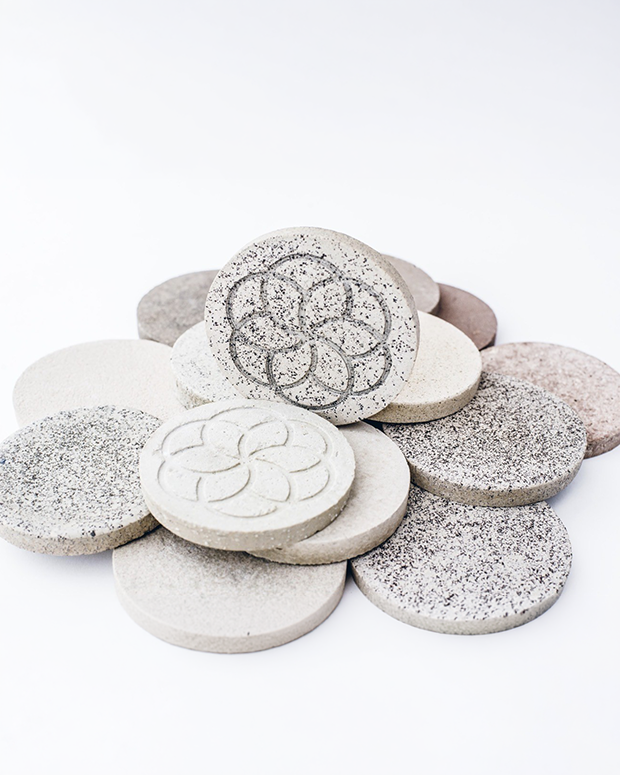
Seramic Materials was founded in Abu Dhabi in 2019, and it recycles that kind of solid industrial waste into tiles, pavers, technical ceramics and a high-temperature ceramic that stores heat. Because the waste is sourced locally and takes the place of raw materials that would otherwise have to be extracted and transported, the ceramics are made with less CO2 and less energy than conventional ones, and they cost less too. Just as importantly, waste that would have gone to landfill is put to use instead.

What MBRIF made possible

Seramic Materials joined the Innovation Accelerator in January 2025 as a member of Cohort 9, after its founders had spent ten years on research. At this stage, a company has proved its science works and must find customers. That is why the Accelerator provides mentors and connects companies with the manufacturers and investors they need to sell at scale. Typically, research-led startups become industry suppliers only after meeting the people who will buy from them, and the Accelerator makes those meetings happen.

Environmental impact in numbers

An innovation for low-carbon ceramics and construction materials

Seramic Materials

Seramic Materials recycles solid industrial waste into products for the technical ceramics and construction markets.

10–15%

Lower product cost, depending on the application

INNOVATION ACCELERATOR COHORT 9